
Patient record, prescribing, laboratory, imaging, pharmacy, admissions, billing: in a hospital, the information system supports every act of care, day and night. It connects dozens of applications from different vendors and carries some of the most sensitive data there is. Making the applications and their interfaces reliable means protecting continuity of care.
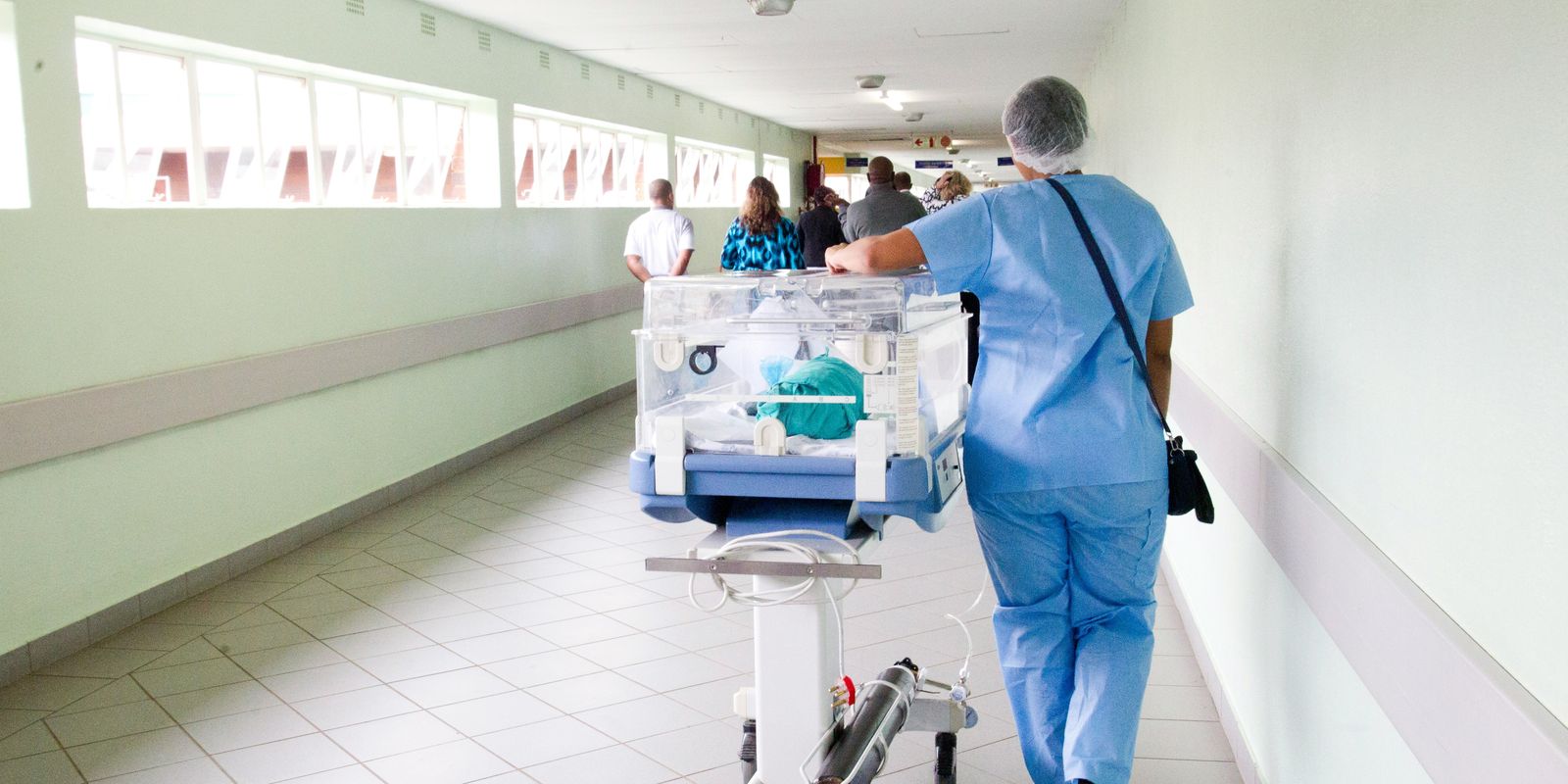
In a hospital, a software error does not just delay a computer process: it can delay care.
Laboratory, imaging, pharmacy, billing: the patient record constantly exchanges with other applications, through HL7 or FHIR messages that must lose nothing.
Emergency department, operating room, intensive care: the information system must run day and night, with a planned degraded mode.
A result attached to the wrong patient is a care error: patient identification also depends on the code.
Healthcare facilities are targets for ransomware; a single flaw can shut down a hospital for weeks.
Patient record, administration, specialty software: a portfolio made of software packages, custom development and interfaces.
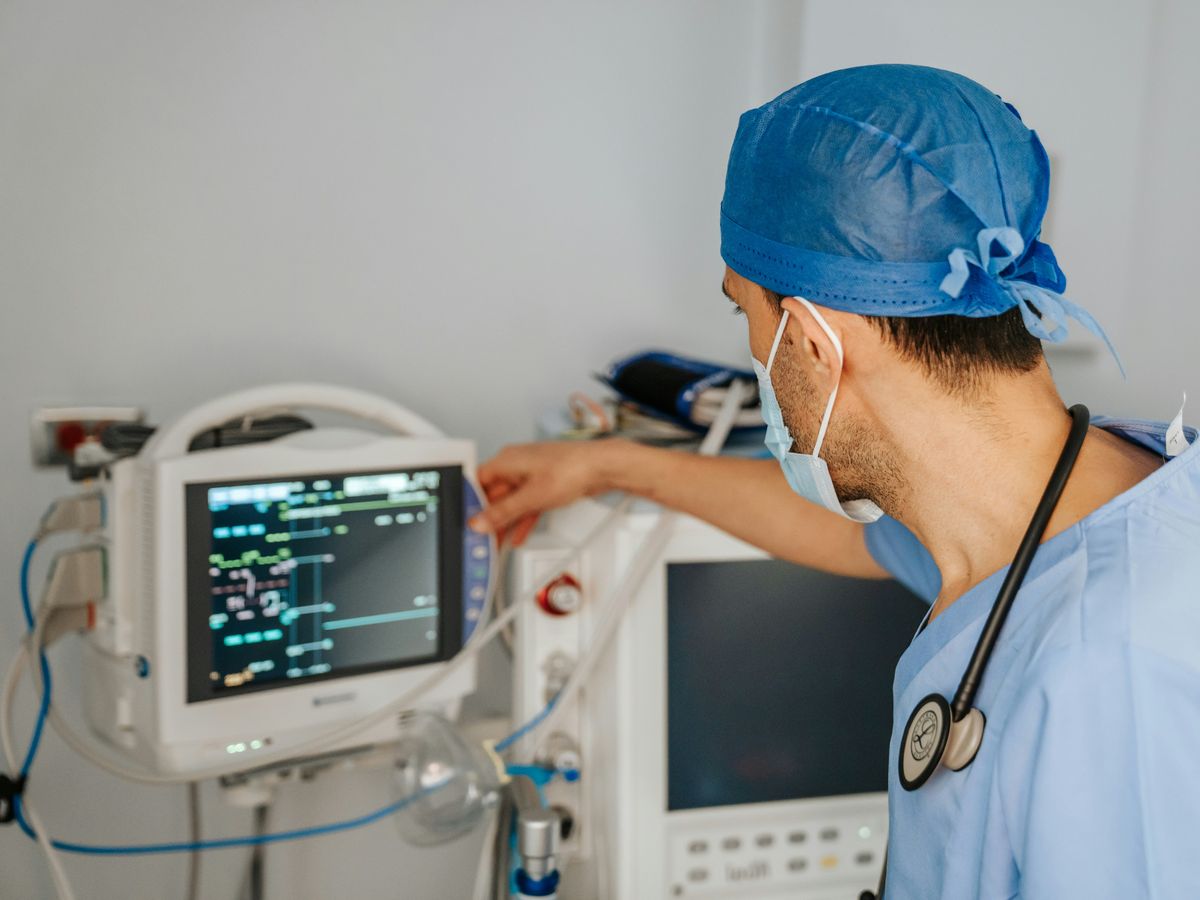
This page covers healthcare information systems. For medical device software, see Medical and IEC 62304.
Hosting, interoperability, cybersecurity, medical devices: digital health is among the most regulated fields.
Healthcare providers fall under NIS2; in France, the transposition law, still being debated in Parliament, must specify which facilities are covered. The French CaRE program already funds the cybersecurity and resilience of healthcare facilities.
In France, hosting health data on behalf of a third party requires HDS certification. Since May 16, 2026, only version 2.0 of the framework, aligned with ISO/IEC 27001:2022, is valid.
In force since March 26, 2025, Regulation (EU) 2025/327 governs electronic health record systems, with interoperability and logging requirements. The exchange of the first data categories, patient summaries and ePrescriptions, starts on March 26, 2029.
Funding for some software depends on its listing by the French Digital Health Agency: national health identifier, feeding the shared medical record, secure health messaging.
Software supporting diagnosis or therapeutic decisions can be a medical device: it then falls under Regulation (EU) 2017/745 and IEC 62304.
The GDPR classes health data as sensitive data: processing it requires stronger safeguards, from the design of the application.
See Software composition and Cyber Resilience Act and Static code analysis.
Every change to an interface or an application is checked before it is merged: coding rules, vulnerabilities, complexity, test coverage, in particular of the error cases of exchanges.
One quality model for in-house development, integrators and package vendors, a minimum level written into the contract, a measurement at each delivery. See the TQI quality audit.
Knowing the open-source libraries of each application and their known vulnerabilities, to reduce the facility's attack surface. See Software composition and CRA.
A rating per application, tracked over time, to decide what to maintain, rework or replace. See the Technical debt guide.
TiCS brings together in the same dashboard the results of the analyzers on the code of healthcare applications, interfaces and platforms: Java, C#, Python, JavaScript, TypeScript, C, C++, PL/SQL… It checks each change before it is merged with its quality gates, rates each application from A to F with the TQI, and tracks its evolution from one version to the next. Installed at the facility or the vendor, it keeps the code in-house.
TiCS replaces neither HDS certification nor listing by the French Digital Health Agency: it provides, version after version, the measurement of the quality and security of the code.
TiCS on one of your applications, installed and configured by a Precilog consultant.
An independent assessment of code delivered by a vendor or an integrator.
A recognized rating, compared with the market average.
The inventory of components and the SBOM, by TIOBE.

A TiCS proof of concept on an application of your choice, developed in-house or delivered by a vendor, installed and configured by a Precilog consultant.
TiCS · TQI quality audit · Maintainability certification · Software composition and CRA · Technical debt · Medical · IEC 62304
Sources: Directive (EU) 2022/2555 (NIS2); French Digital Health Agency (ANS), CaRE program and HDS certification; Regulation (EU) 2025/327 (European Health Data Space); French Ségur digital health program; Regulation (EU) 2017/745; Regulation (EU) 2016/679 (GDPR).
Photos: Hush Naidoo Jade Photography, César Badilla Miranda, Tasha Kostyuk, National Cancer Institute (Unsplash).