
An industrial robot sharing the operator's workstation, a mobile robot in a warehouse, an exoskeleton carrying part of the weight of a patient or a warehouse worker: here the software controls movements, next to people. An error can injure. The standards therefore require proof that the safety functions have been tested, and that the code is under control.
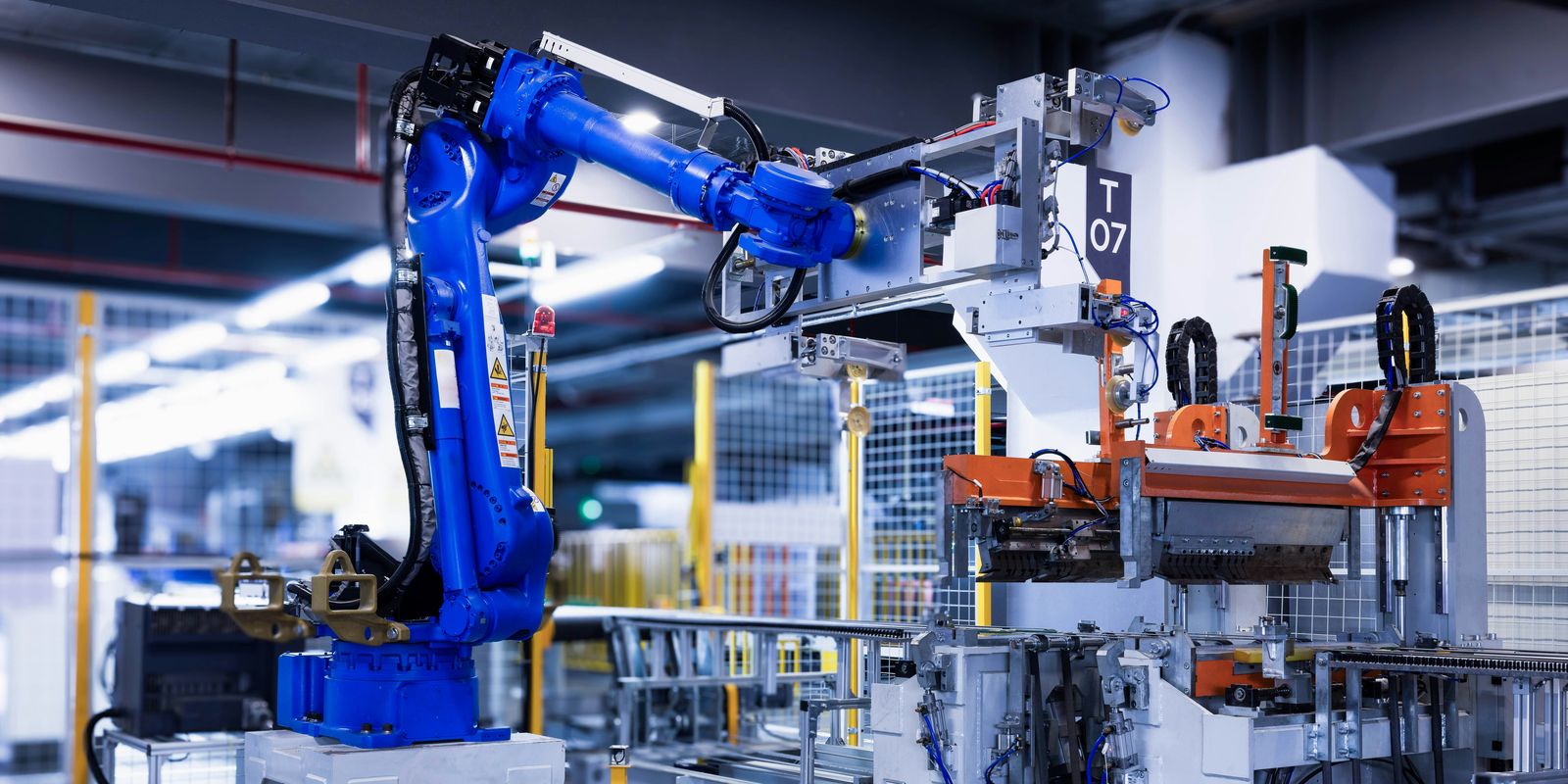
A robot is not tested in normal operation only. The situations that matter are the rarest ones.
A transient overshoot of a speed or force limit in collaborative mode.
Restarting after a protective stop, and the state in which the robot resumes.
A sensor, a command or a network that stops responding, at the worst moment.
A setup mode that must not bypass any safety function.
For an exoskeleton, a movement beyond the range allowed by the person's joint.
The code often mixes several worlds: embedded C and C++ for control, C++ and Python for perception and navigation, often on ROS, and machine learning models. Each must be verified.
Industrial robots and their applications. The 2025 revision incorporates collaborative applications: hand guiding, speed and separation monitoring, power and force limiting. The performance level of each safety function follows from the risk assessment. The standard also requires assessing the cybersecurity threats that could compromise safety.
Functional safety of machinery control systems: safety functions are classified by performance level (PL) or safety integrity level (SIL). ISO 13849-1 devotes a clause to safety-related software: a V-model, with measures that grow stronger with the required level. Embedded software written in C or C++ follows the full cycle.
Driverless industrial trucks and their systems, for automated logistics.
Personal care robots, including physical assistant robots such as non-medical exoskeletons.
Applicable from 20 January 2027. Software can now be a safety component. The regulation requires protecting safety software and data against corruption, and keeping a record of the uploaded versions for five years. A safety function whose behaviour evolves through learning requires a notified body.
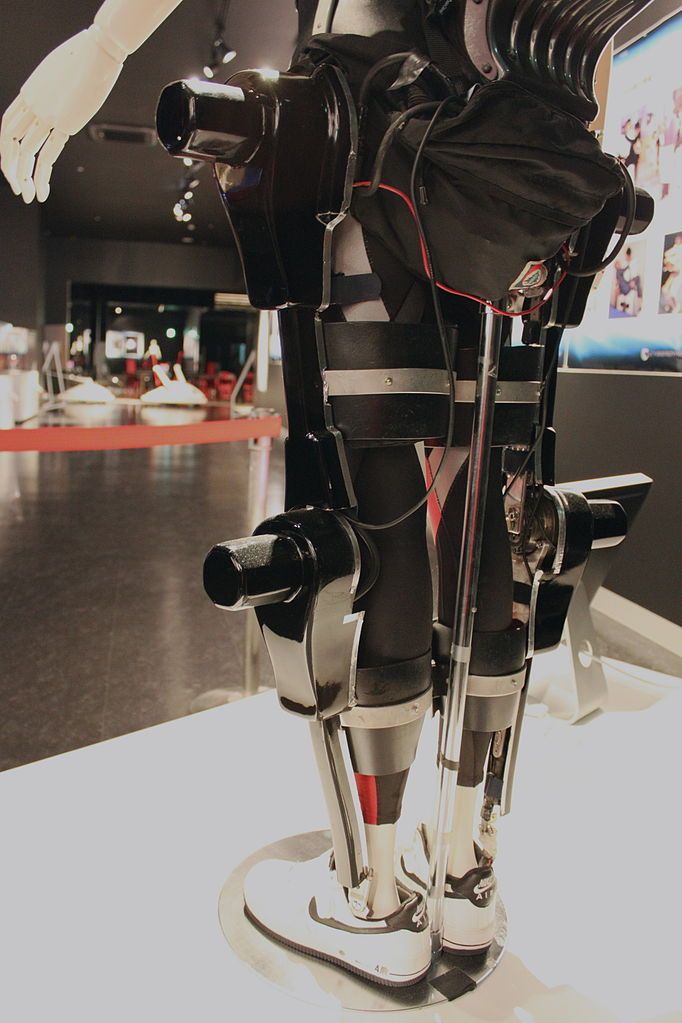
An exoskeleton for rehabilitation or to compensate for a disability is a medical device, subject to Regulation (EU) 2017/745. IEC 80601-2-78 (2019) sets the safety requirements for rehabilitation robots, exoskeletons included. The software follows IEC 62304, with a verification effort that depends on its safety class.
See also the Medical sector and the code coverage and standards guide.
Show that the tests have executed the safety functions, including the error and recovery branches. See the code coverage and MC/DC guides.
MISRA C and MISRA C++, CERT, detection of run-time errors before testing on the machine. See the MISRA and static analysis guides.
Vulnerabilities in the code and in open-source components. See IEC 62443 and Software composition and CRA.
Knowing, version after version, what changed in the safety software and how it was verified.
Testwell CTC++ measures the coverage of C and C++ code, from function coverage to MC/DC, on the host as well as on the embedded target of the robot or exoskeleton, whatever the compiler. Its TÜV SÜD certificate covers IEC 61508, ISO 26262 and IEC 62304, among others.
TiCS brings together in the same dashboard the results of the analyzers on the robot's C, C++, Python or Java code: coding rules, vulnerabilities, complexity, coverage. It tracks their evolution from one version to the next, and prepares the evidence for the audit.
A free trial of Testwell CTC++ on your own C or C++ code, on the host or on the embedded target.
Code coverage and standards · Code coverage · MISRA · Static analysis · IEC 62443 · Medical · Sectors
Sources: ISO 10218-1 and ISO 10218-2:2025; ISO 13849-1:2023; ISO 3691-4:2023; ISO 13482:2014; IEC 80601-2-78:2019; Regulation (EU) 2023/1230 on machinery; Regulation (EU) 2017/745 on medical devices.
Photos: Homa Appliances, Oso-rio (Unsplash); Yuichiro C. Katsumoto (CC BY 2.0).